
Industrial Immersion Heater
Deep Heaters is a trusted immersion heater supplier, delivering efficient and reliable heating solutions for a wide range of industrial applications.
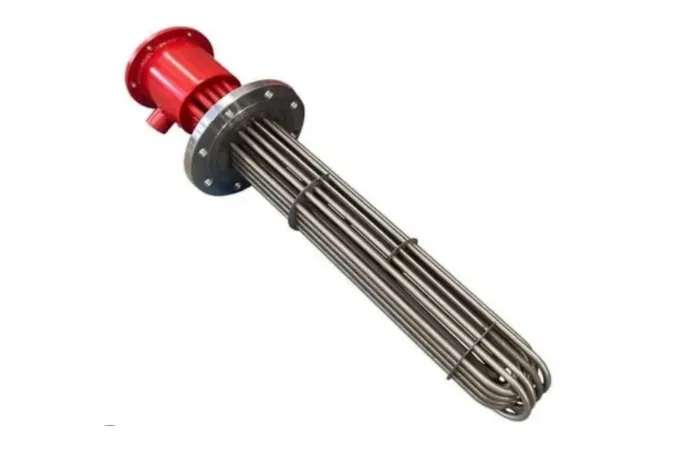
Immersion Heater for Industrial Heating Applications
Deep Heaters produces high performance immersion heaters used in direct liquid heating of industrial processes which require rapid, uniform and controlled heating. Immersion heaters are common in a system where the temperature, energy consumption and safety of operation are essential.
Deep Heaters, as a trustworthy immersion heater manufacturer, supports chemical processing, oil and gas, water treatment, pharmaceuticals, food processing and power plants industries where high levels of liquid heating accuracy directly affect the productivity and process stability.
What Is an Immersion Heater?
An immersion heater is a type of industrial electric heater that is used to heat a liquid, oil, chemical, or water by direct immersion. It is composed of a resistive heat-generating element, with a metal sheathing on it, usually of stainless steel, Incoloy or titanium, again, depending on the application requirements.
With the element heated, electrical energy is transformed into heat and this heat is conducted directly to the surrounding liquid. Due to the contact between the heating element and the medium, the immersion heaters offer high thermal efficiency and fast heat transfer.
The immersion heaters have been favored in industrial heating systems because they are easy to install, their temperature is well regulated and the heat loss is minimal and their long-term performance is reliable.
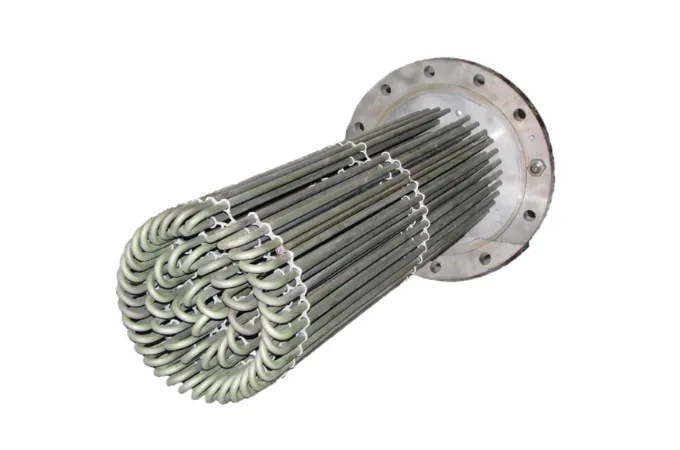
Applications / Features of Immersion Heaters
Immersion Heaters from Deep Heaters are commonly used in:
- Water Heating Systems
- Oil Heating Tanks
- Chemical Processing Plants
- Food Processing Equipment
- Pharmaceutical Manufacturing
- Plastic & Polymer Industries
- Solar Water Heating Backup Systems
- Corrosion Resistant Sheath
- Fast Heat-Up
- Optional Thermostat
- Long Operational Life
Technical Specifications
|
Parameter
|
Details
|
|---|---|
|
Voltage
|
230V, 240V, 415V
|
|
Watt Density
|
Up to 35 W/in²
|
|
Maximum Operating Temperature
|
Up to ~650 °C (depends on fluid/application)
|
|
Diameter Range
|
Element diameter typically 6 mm to 12 mm (depends on design)
|
|
Length
|
Immersion length from ~100 mm up to 2000 mm (customizable)
|
|
Outer Sheath
|
Stainless Steel (SS304 / SS316 / Incoloy)
|
|
Termination Type
|
Screw terminals, junction box, conduit entry, waterproof leads
|
Types of Immersion Heaters
Deep Heaters being a top manufacturer of immersion heaters in India produces various models of immersion heaters to meet the needs of particular industries. They all have their types developed according to the application, type of liquid, tank size and operating temperature to make sure that the work is effective and safe.
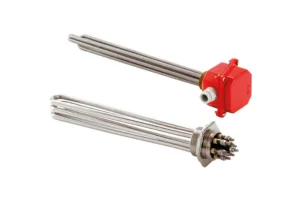
Flange Immersion Heater
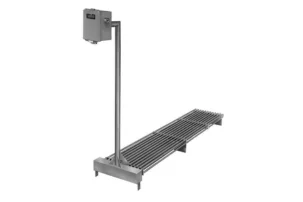
Screw Plug Immersion Heater
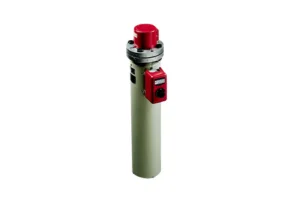
Over-the-Side Immersion Heater
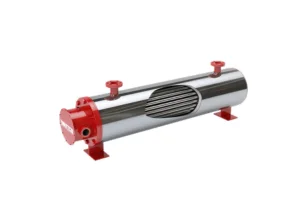
Circulation Immersion Heater
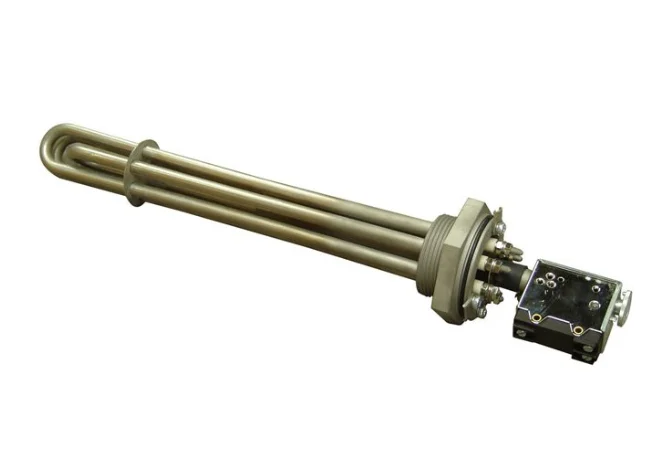
Custom-Designed Immersion Heater
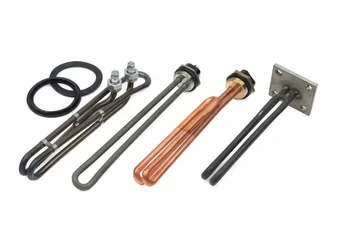
Bundled Heater
Benefits of Using Immersion Heaters
The immersion heaters have a couple of operational benefits particularly in continuous controlled heating situations. We design our industrial grade immersion heater products to be more durable, efficient and perform effectively in harsh industrial environments.
High thermal efficiency with direct heat transfer
Rapid heating response
Uniform temperature distribution
Minimal heat loss
Low maintenance requirements
Suitable for a wide range of liquids and chemicals
How Does an Immersion Heater Work?
An electric immersion heater works on the principle of electrical resistance heating. Electrical energy is converted into thermal energy and transferred directly to the liquid medium.
1
Electric Current Flow
Electrical current flows through the internal resistance wire inside the heating element.
2
Heat Generation
Due to electrical resistance, the element generates heat as current passes through it.
3
Direct Heat Transfer
The metal sheath surrounding the element transfers the generated heat directly to the liquid in contact.
4
Controlled Heating
A thermostat or temperature controller regulates the heat output to maintain the desired temperature safely and efficiently.
Installation and Maintenance Guidelines
It should be well installed and maintained so that it has a long service life and gives a regularity in the heating efficiency.
- Ensure complete immersion of the heating element before energizing
- Match voltage and wattage specifications correctly
- Use compatible sheath material for the specific liquid
- Inspect terminals and electrical connections regularly
- Avoid dry firing (operating without liquid)
- Monitor temperature to prevent overheating
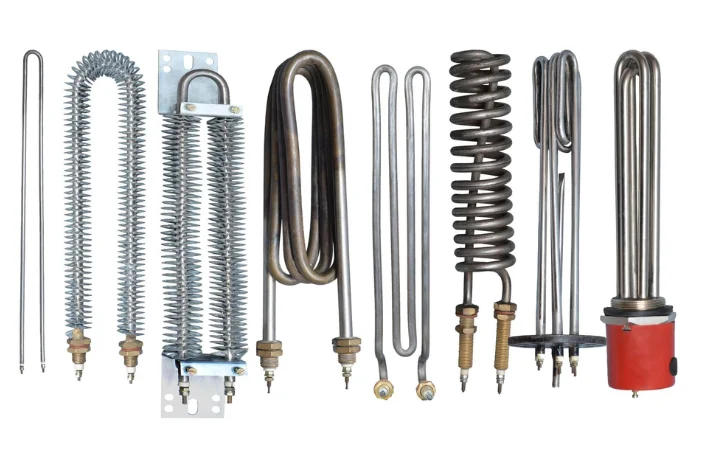


Custom Immersion Heater Manufacturing
Deep Heaters offers immersion heaters, which are designed to suit individual applications of industries. Every heater is assembled according to the specifications of technical requirements to guarantee the safety and high precision of functioning.
- Custom lengths and watt densities
- Material selection based on liquid compatibility
- Special flange and mounting configurations
- Integration with temperature sensors and control panels
- OEM and bulk production support
Quality Standards and Testing
Each immersion heater undergoes strict quality checks to meet industrial safety and performance standards.
High-voltage insulation resistance testing
High-voltage dielectric testing
Leak and pressure testing (for circulation models)
Performance validation under rated load
Immersion Heater FAQs
What is the maximum operating temperature of an immersion heater?
Can immersion heaters be used for corrosive liquids?
What happens if an immersion heater runs dry?
Which industries commonly use immersion heaters?
Quick Inquiry
Looking for reliable industrial heating solutions? Share your requirement and our team will get back to you within 24 hours.